World’s First Electrified Highway Powers Vehicles in Motion
By EVWorld.com Si Editorial Team
On a quiet stretch of France's A10 motorway near Angervilliers, a 1.5-kilometer segment of asphalt is doing something extraordinary: it's charging electric vehicles as they drive. This isn't a lab demo or a closed test track — it's live traffic, real trucks, and a public road.
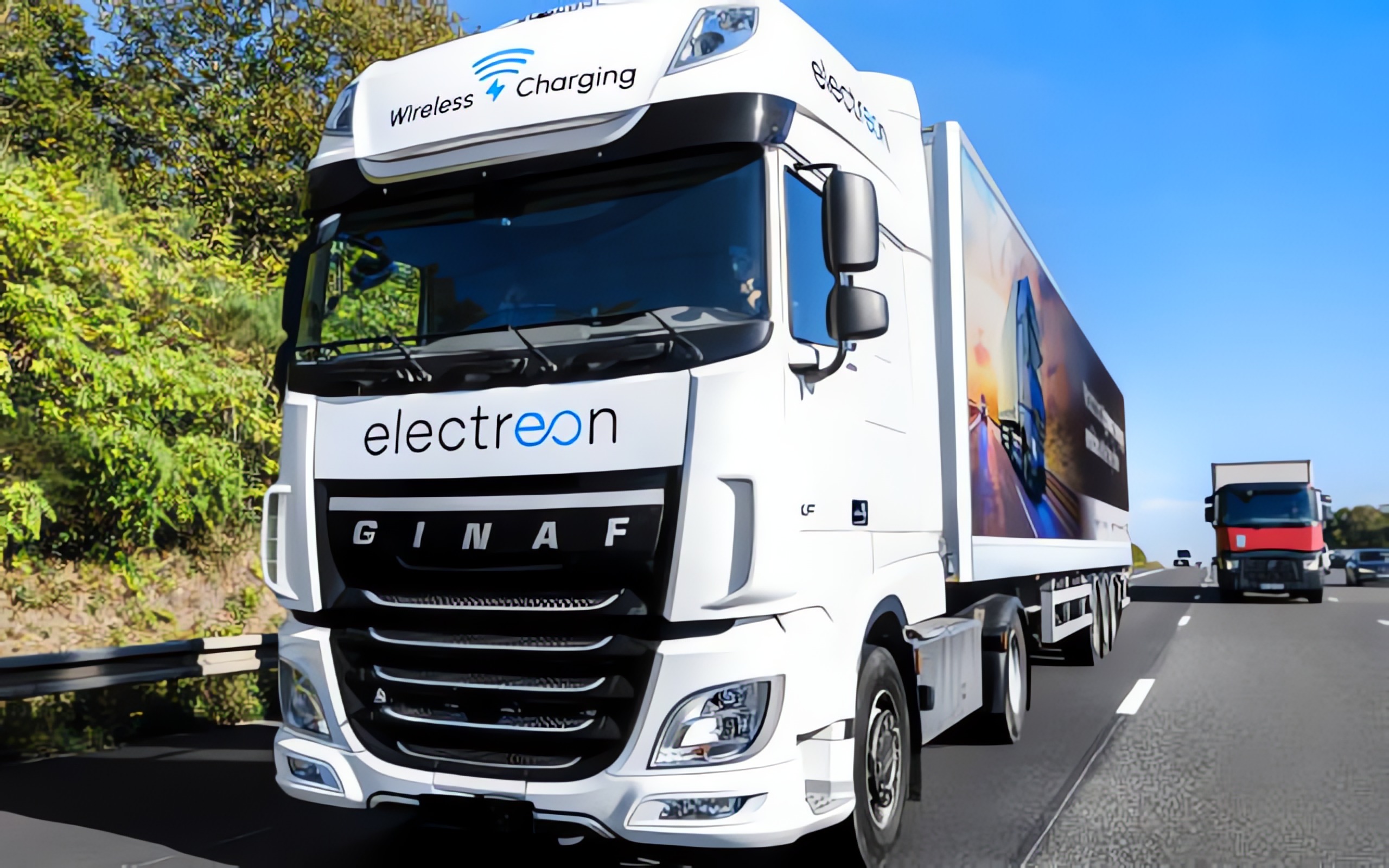
The "Charge as You Drive" project, led by VINCI Autoroutes and powered by Israeli tech firm Electreon, marks the world’s first dynamic inductive charging system deployed on an active highway.
A New Frontier for Electric Fleets
For logistics operators, the implications are profound. A heavy-duty truck traveling at 60 mph over the A10’s inductive segment can receive up to 1.5 kWh of energy — enough to extend its range by 1.5 to 3 kilometers depending on load and terrain.
That may sound modest, but when scaled across longer corridors or repeated segments, it could reduce battery size, cut charging downtime, and enable continuous operation for electric fleets.
Europe’s Expanding Network of Electrified Roads
Germany and Italy are watching closely. In Bavaria, the E|MPOWER project is testing a similar 1-kilometer inductive segment on the A6 Autobahn between Amberg-West and Sulzbach-Rosenberg.
Meanwhile, Italy’s Emilia-Romagna region has launched pilot programs using embedded coils beneath urban roads, targeting municipal buses and light commercial vehicles.
These efforts share a common goal: to electrify transport without overburdening grid infrastructure or forcing vehicles to stop for charging.
Sweden Takes a Different Route: Conductive Charging Rails
Sweden, meanwhile, is betting on wires. The eRoadArlanda project, backed by the Swedish Transport Administration, uses conductive rails embedded in the road to deliver power to trucks via a retractable arm.
A 21-kilometer stretch of the E20 motorway between Hallsberg and Orebro is now live, with plans to expand to 3,000 km by 2035.
Unlike inductive systems, catenary-style charging offers higher power throughput — ideal for long-haul freight — but requires specialized hardware and more complex infrastructure.
The Future of Charging: From Stationary to Seamless
What ties these projects together is a shift in mindset: charging doesn’t have to be stationary.
For fleet operators, this opens new possibilities:
- Trucks could top up while cruising, reducing the need for oversized batteries.
- Urban delivery vans could recharge as they loop through electrified zones.
- Passenger EVs could benefit from range boosts on key corridors.
Challenges Ahead: Standards, Cost, and Compatibility
Of course, challenges remain. Standardization, cost, and vehicle compatibility are still evolving. But the A10 pilot proves that dynamic charging isn’t just feasible — it’s operational.
As Europe’s freight networks electrify, these intelligent roads could become the backbone of a new logistics paradigm — one where energy flows as freely as traffic.